

Exploring the psychology behind high-stakes gambling behavior.
Exploring the psychology behind high-stakes gambling behavior.
The Allure of High-Stakes Gambling
High-stakes gambling attracts individuals for various reasons, each woven intricately into the human psyche. The thrill one experiences from placing large bets can serve as an adrenaline rush, often overshadowing the risk involved. Many gamblers are drawn to this exhilaration; it triggers a cocktail of emotions including excitement, anxiety, and the fantasy of winning big. This compelling attraction can lead to a cycle where the individual continuously seeks that high, often ignoring the consequences.
Context also plays a crucial role in the allure of high-stakes gambling. Environments such as glitzy casinos are designed to keep players engaged, amplifying their senses. Factors like ambient lighting, sounds of slot machines, and the strategic placement of gaming tables cater to the gambler’s desire for excitement. To learn more about this phenomenon and its underlying motivations, click more info.
High-stakes gambling is riddled with psychological triggers that amplify risk-taking behavior. Cognitive biases such as the illusion of control lead gamblers to believe they can influence random outcomes. This false sense of empowerment often encourages them to make bolder bets. Additionally, the gambler’s fallacy, where one mistakenly believes past outcomes affect future results, can lead to continued play despite losing streaks.
Moreover, reinforcement plays a significant role in sustaining gambling habits. Winning, even sporadically, reinforces continued participation. This creates a feedback loop; the more someone gambles, the more they associate their actions with potential rewards, even if overall losses occur. Therefore, these cognitive patterns form a compelling reason why individuals might persist in high-stakes gambling, often to detrimental ends.
Many individuals turn to high-stakes gambling as a coping mechanism, using it to manage stress or escape from reality. The intensity of gambling can overpower one’s problems momentarily, creating a false sense of relief. This emotional regulation provides a temporary distraction, making people less aware of their life’s challenges and responsibilities. Such escapism can be particularly appealing in tumultuous times, encouraging continuous engagement.
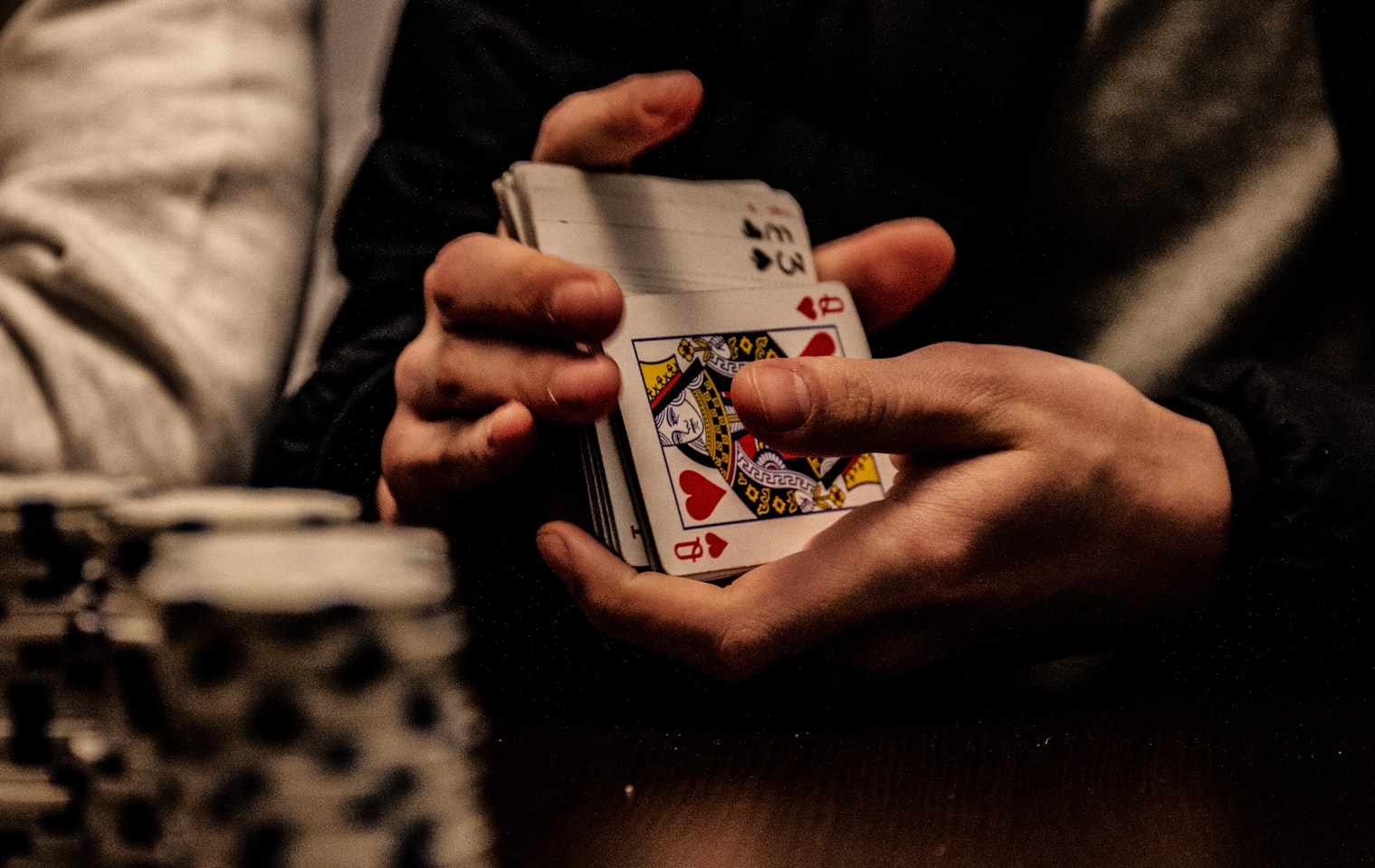
This behavior often leads individuals down a path where gambling becomes not just a pastime but a method of coping. Emotional highs from wins can be exhilarating, while losses may trigger feelings of desperation. Such swings in emotion reinforce the cycle, as individuals seek to regain lost money while also attempting to recreate past successes. Over time, reliance on this method of escape can contribute to adverse effects on mental health, relationships, and overall well-being.
Social dynamics significantly impact high-stakes gambling behavior. Peer pressure and social norms can either encourage or deter individuals from engaging in gambling. Those in social circles where gambling is celebrated or normalized may find it more difficult to abstain. The camaraderie formed around gambling events can further reinforce participation, as individuals desire to fit in or bond over shared experiences.
Conclusion: Understanding High-Stakes Gambling Behavior
Understanding the psychology behind high-stakes gambling behavior is vital for creating targeted interventions and support systems. By acknowledging the emotional and cognitive processes at play, society can better frame discussions surrounding gambling addiction, providing resources and strategies for those affected.
For those looking to explore more about the intricacies of gambling behavior, the insights provided by platforms that focus on these issues can be immensely beneficial. Engaging with comprehensive content on gambling psychology can empower individuals to make informed decisions and foster healthier relationships with gambling. To find out more, ensure you dive deeper into this fascinating subject.